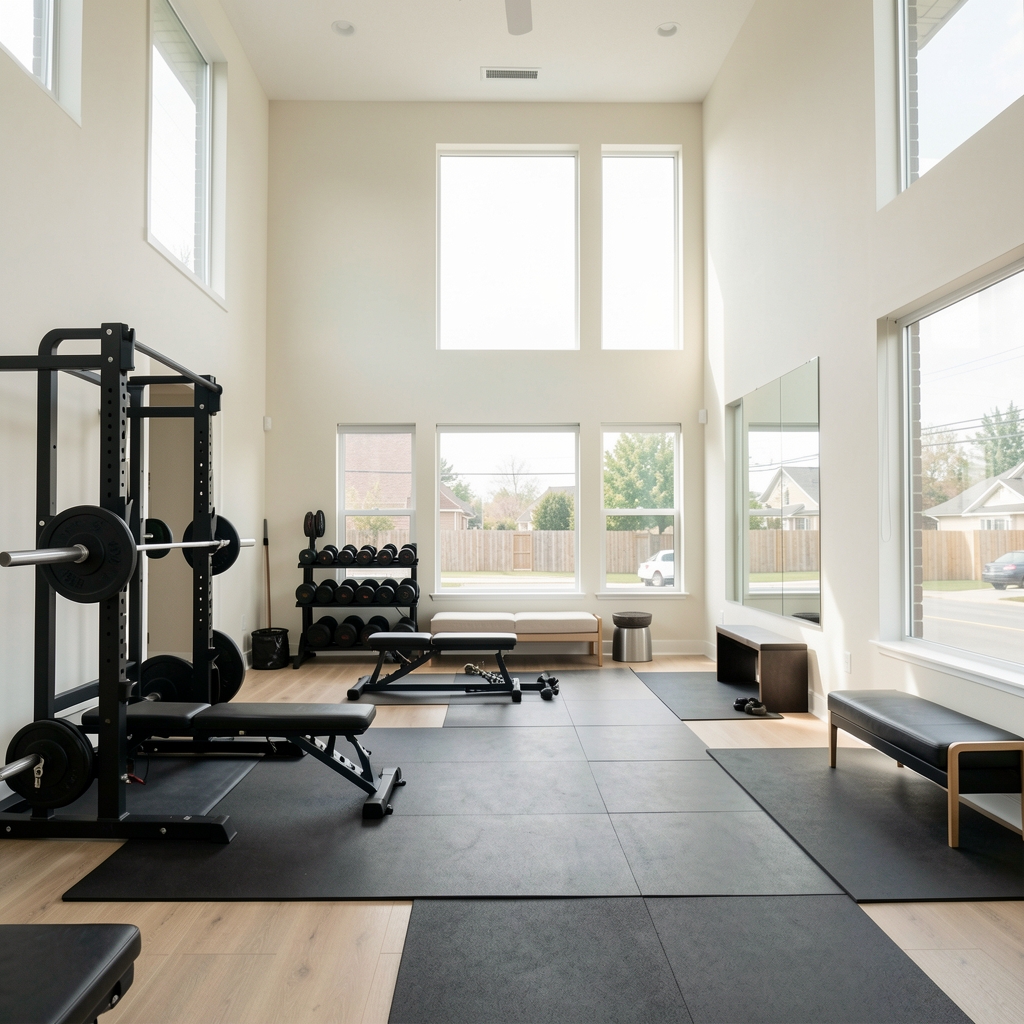
Arlonev is a Brussels-based personal training studio operating from Rue Defacqz, Saint-Gilles since 2018. A small practice by design — working with a limited number of individuals at any given time.
Arlonev grew out of a straightforward observation: most fitness engagements fail not because of insufficient effort, but because the structure is wrong from the outset. A programme assigned without a prior screening, a goal set without a reference baseline, a loading week that ignores what came before it — these are structural problems, not motivational ones.
The studio was established to work differently. Each engagement begins with documentation — a movement screening record, a goal-setting session transcript, an activity history. That documentation shapes the first training block, and the notes from that block shape the next.
The process is iterative and deliberate. It is slow by the standards of programmes that promise rapid change, and steady by the standards of anyone who has sustained a training practice beyond a single season.

Coaching qualifications are maintained through an accredited programme with ongoing professional development requirements. Certification documentation is available on request.
The studio carries full professional indemnity and public liability coverage for all one-to-one and group sessions conducted on-site and at agreed external locations.
Programme design draws on published research in exercise physiology and movement science. Methods are reviewed and updated as the evidence base develops.
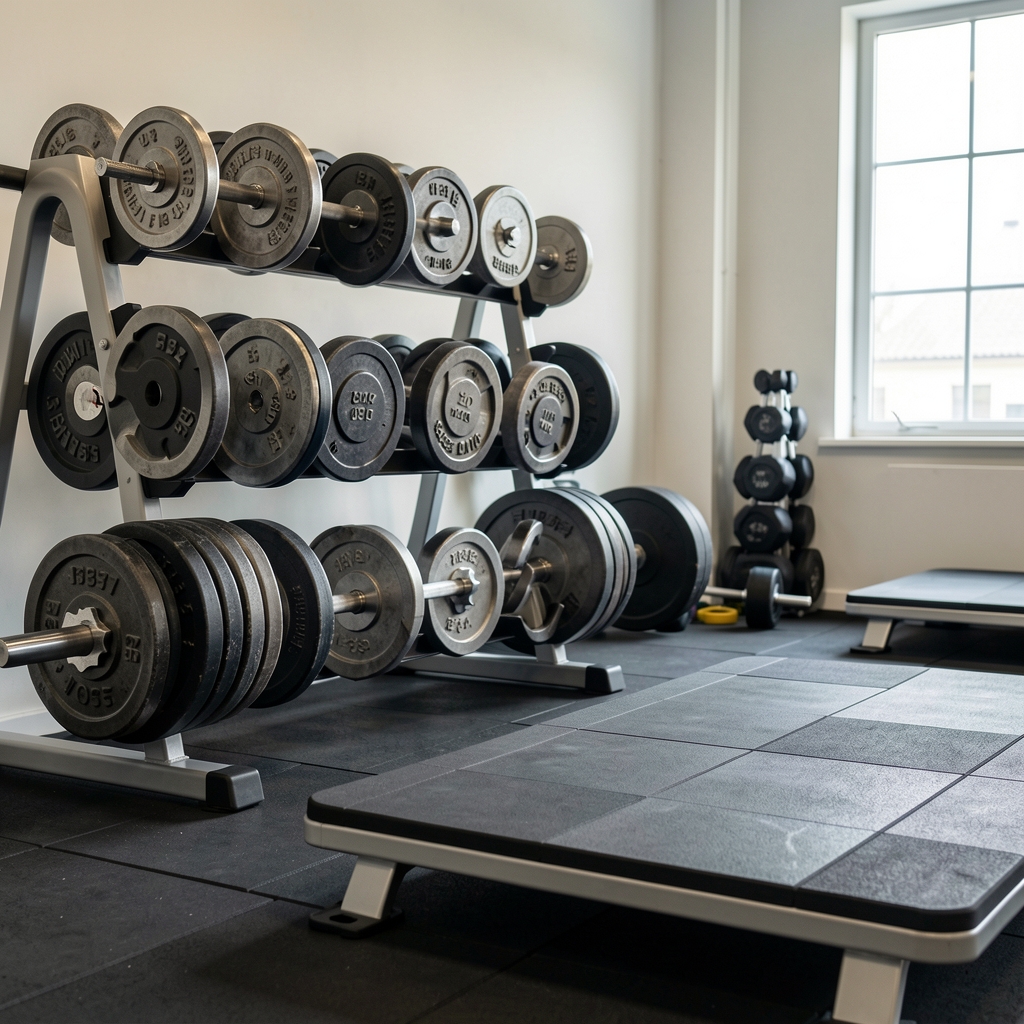
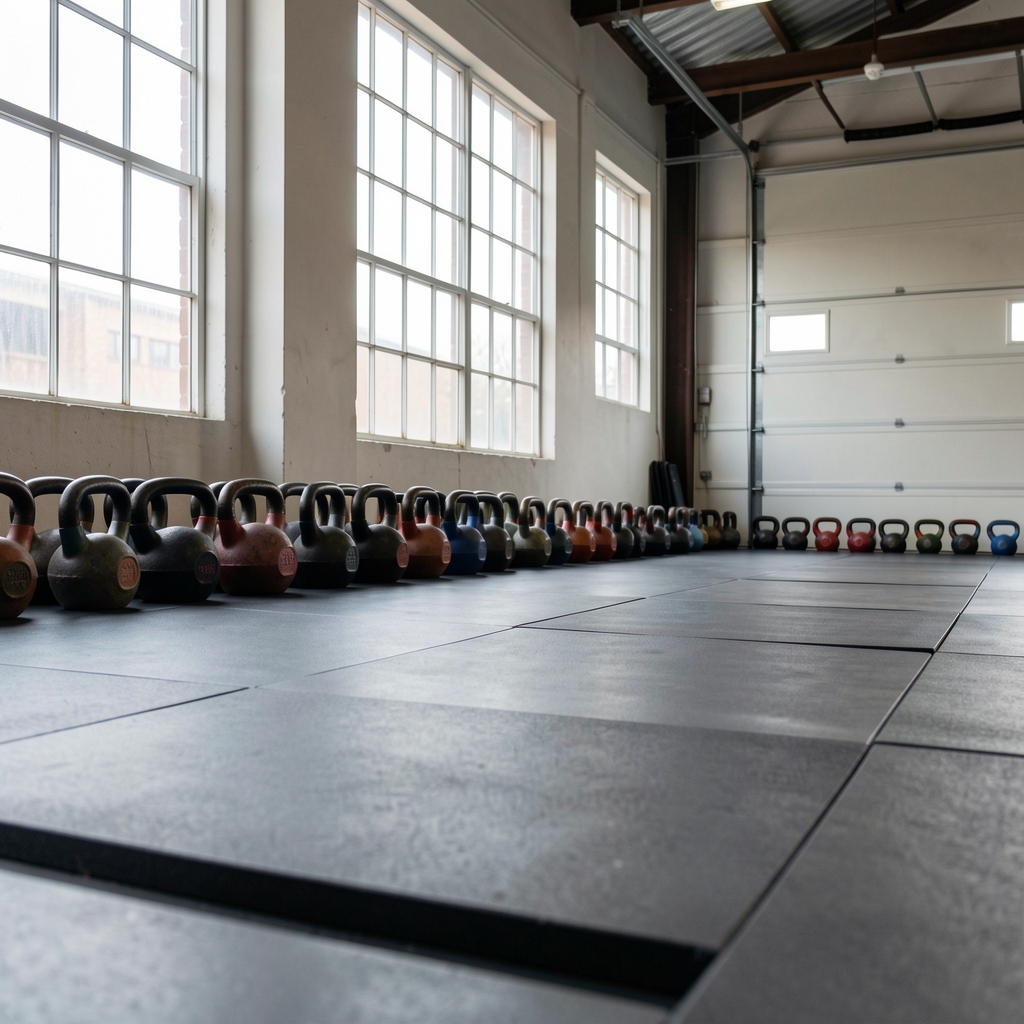
No loading plan is assigned before the initial movement screening is complete. The screen documents baseline mobility, postural patterns, and any load history. The programme follows from that record — not from a template.
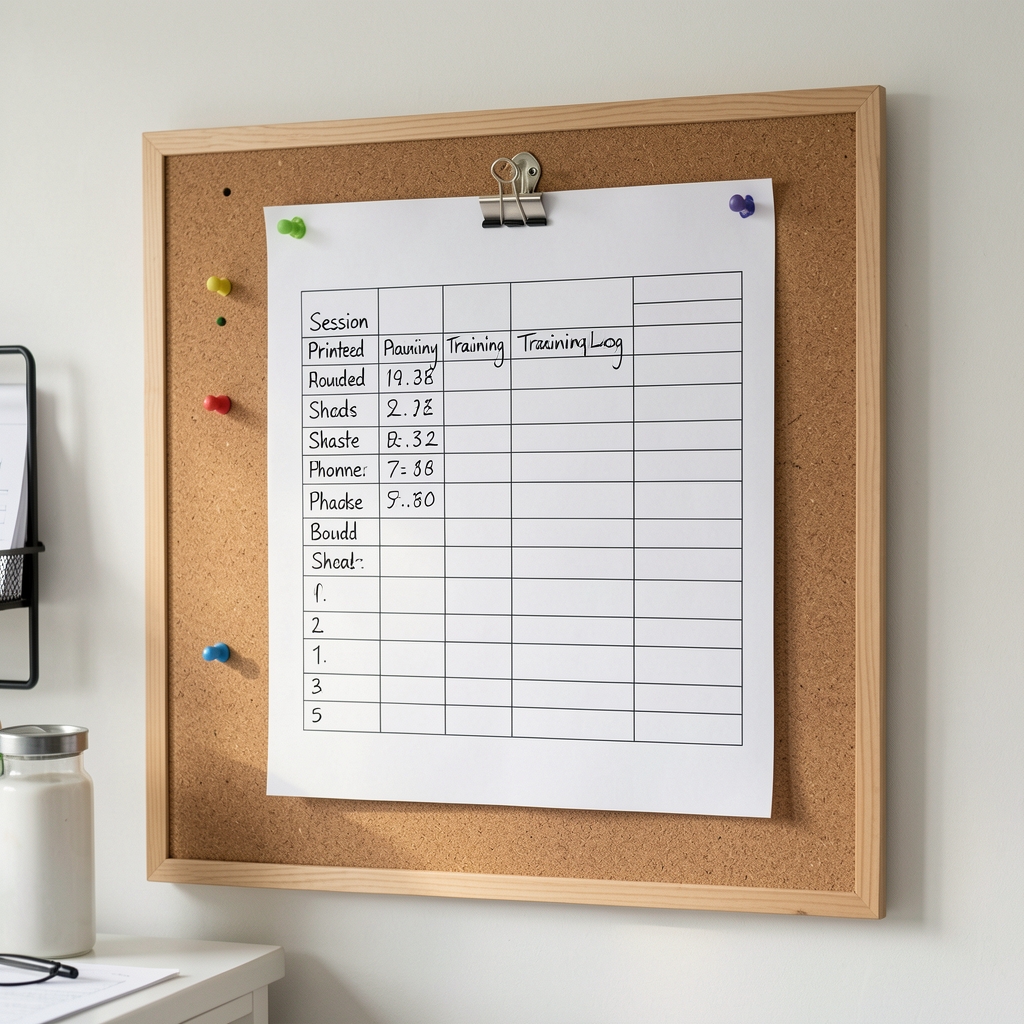
Session logs are maintained for every participant. Volume, intensity, and movement quality are recorded in each session. At phase boundaries, the log is reviewed and the next block is designed from the data — not from intuition alone.
Active recovery, rest-day structure, and sleep quality are included in the planning framework from the first session. A training block that ignores the 166 hours outside the studio is an incomplete plan.
Group sessions are capped at six participants. Individual tracking continues within the group format — loading, complexity, and rest intervals are adjusted per person, not per session template.