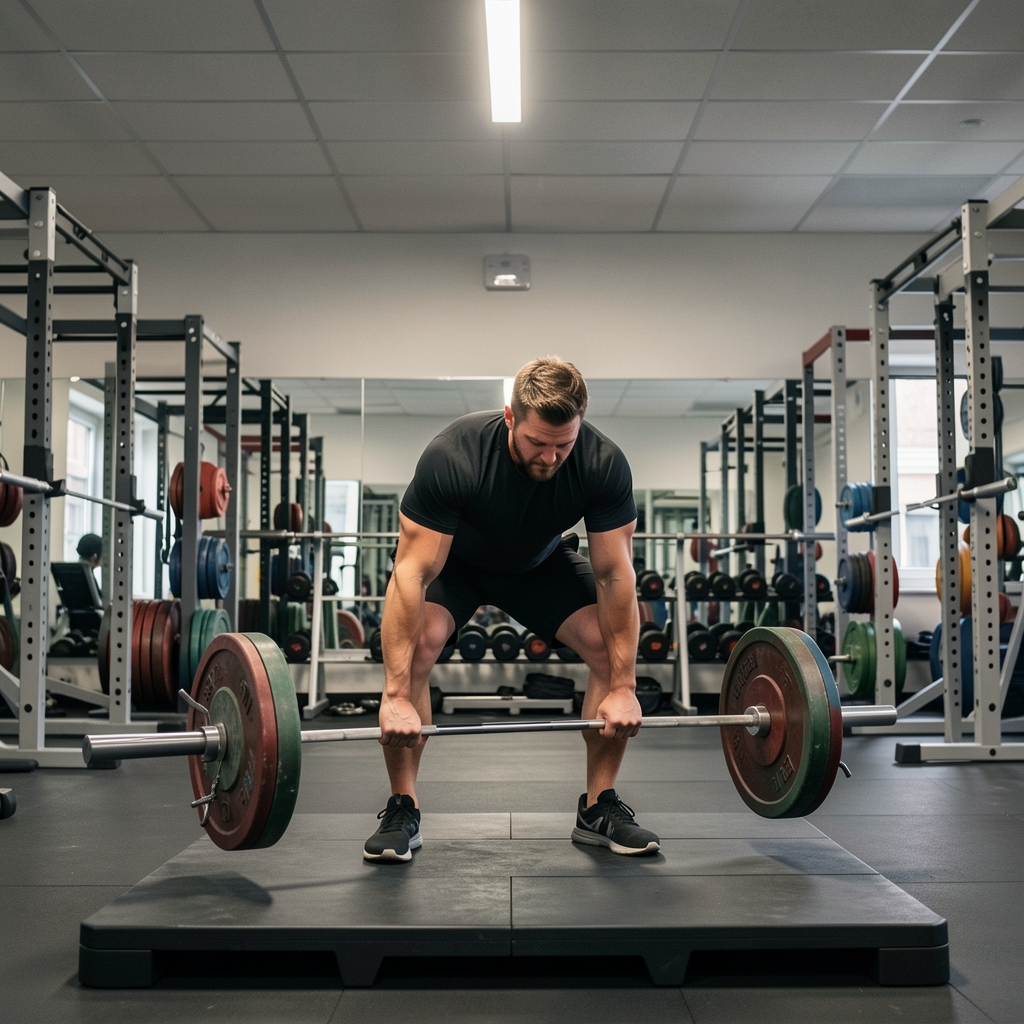
Eight distinct service formats, each structured around a specific training context. Every format begins with a movement screening and a goal-setting session before the first session is scheduled.
A private session runs for sixty minutes and is structured around a single set of agreed objectives. The load, complexity, and movement selection are adjusted each week based on the previous session log. Coaching attention is undivided for the full hour.
The initial session is always preceded by an intake conversation and movement screening. The information gathered informs the first programme block — which typically spans four to six weeks before a formal phase-boundary review.
Individual sessions are available three to five times per week, depending on programming requirements. Session times are fixed by written agreement at the start of each block.
Periodised loading cycles designed around a foundation of movement quality. Each block progresses systematically — volume, intensity, and exercise selection are planned ahead of time and adjusted at the phase boundary based on session log data.
The programme structure follows a linear or undulating progression model, selected based on the participant's training history and current capacity. Beginners and advanced individuals are not assigned the same template — the logic differs at every level of experience.
Accessory work, mobility, and active recovery are integrated into the weekly schedule as part of the programme structure — not left to chance. The training log from each session informs the next.
Movement quality, baseline strength assessment, establishing load reference points for all primary patterns.
Progressive volume increase across four to six weeks, with intensity held at a sustainable working range.
Volume reduced, intensity increased. Testing the adaptations built in the previous block against heavier loads.
The movement screening is a structured evaluation of joint mobility, postural habits, and bilateral symmetry across primary movement patterns: squat, hinge, push, pull, and carry. The screen typically runs for 45 minutes and produces a written record.
Findings from the screen are used to identify movement restrictions that would affect programme design. A participant with a limited hip hinge pattern receives a different loading approach in the early blocks than one with full range of motion.
Screening is repeated at the end of each programme cycle to document changes and inform the next set of objectives.
Body composition assessment at Arlonev uses skinfold calliper measurements and circumference tracking to establish reference data points. These are used to inform programme adjustments, not to set aesthetic targets.
The data collected provides a baseline against which training load and nutrition guidance can be calibrated. It is one input among several, not the primary measure of progress.
Assessments are conducted at the start of each programme cycle and repeated at the four-week mark for participants in extended engagements.
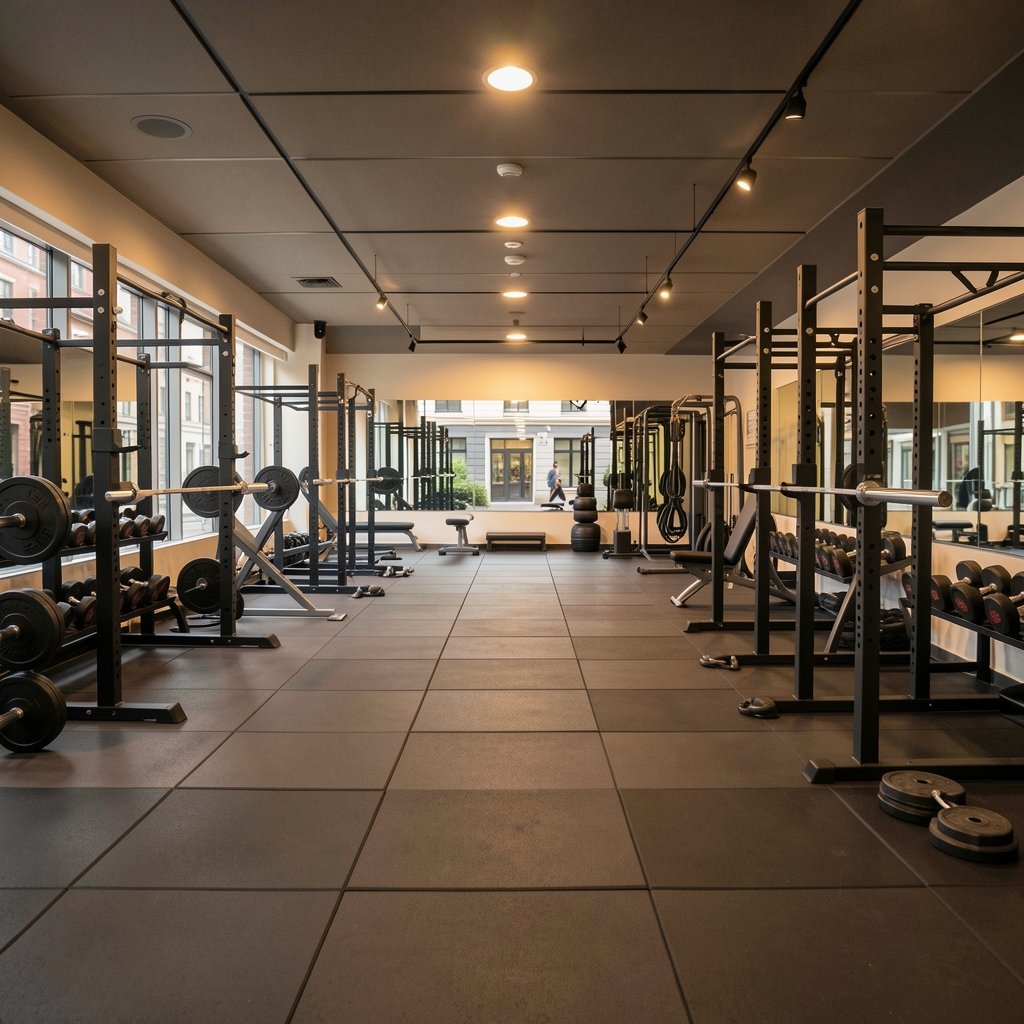
Small-group sessions are capped at six participants. Each session has a shared structure, but individual loading and movement complexity are adjusted per person. Participation is tracked individually — not as a group average.
Groups are formed by training level and availability, not by social connection. A participant who outgrows the group's current loading range is transitioned to an individual format or a more advanced group cohort.
Cardiovascular conditioning structured in defined blocks — typically eight to twelve weeks, mapped against specific output targets. Endurance blocks at Arlonev are not interchangeable with strength blocks: the loading logic, recovery windows, and progression rate differ substantially.
Output targets are set based on the initial screening data: resting heart rate, a baseline time-trial result, and movement efficiency at low and moderate intensities. These create a reference document that the programme progresses against.
Dedicated sessions focusing on joint range of motion, tissue length, and movement control at end-range positions. Structured as standalone sessions or integrated into the weekly programme as active recovery or warm-up work. Flexibility programming follows the same logging and review structure as strength blocks.
A focused programme for individuals with identified postural deviations — typically forward head carriage, rounded shoulders, or anterior pelvic tilt. The programme combines targeted strengthening, mobility work, and movement pattern re-education. Progress is documented at each review point with a repeat screening.
A review of sleep quality, rest-day activity, daily movement habits, and broad nutrition awareness alongside the training programme. Lifestyle coaching at Arlonev is not a standalone product — it is part of the programme structure for all extended engagements. The 166 hours outside the studio matter to the outcome.